(325) 829-0146

Common Electrical Issues in Older Abilene Homes
Return To Blogs
Intro
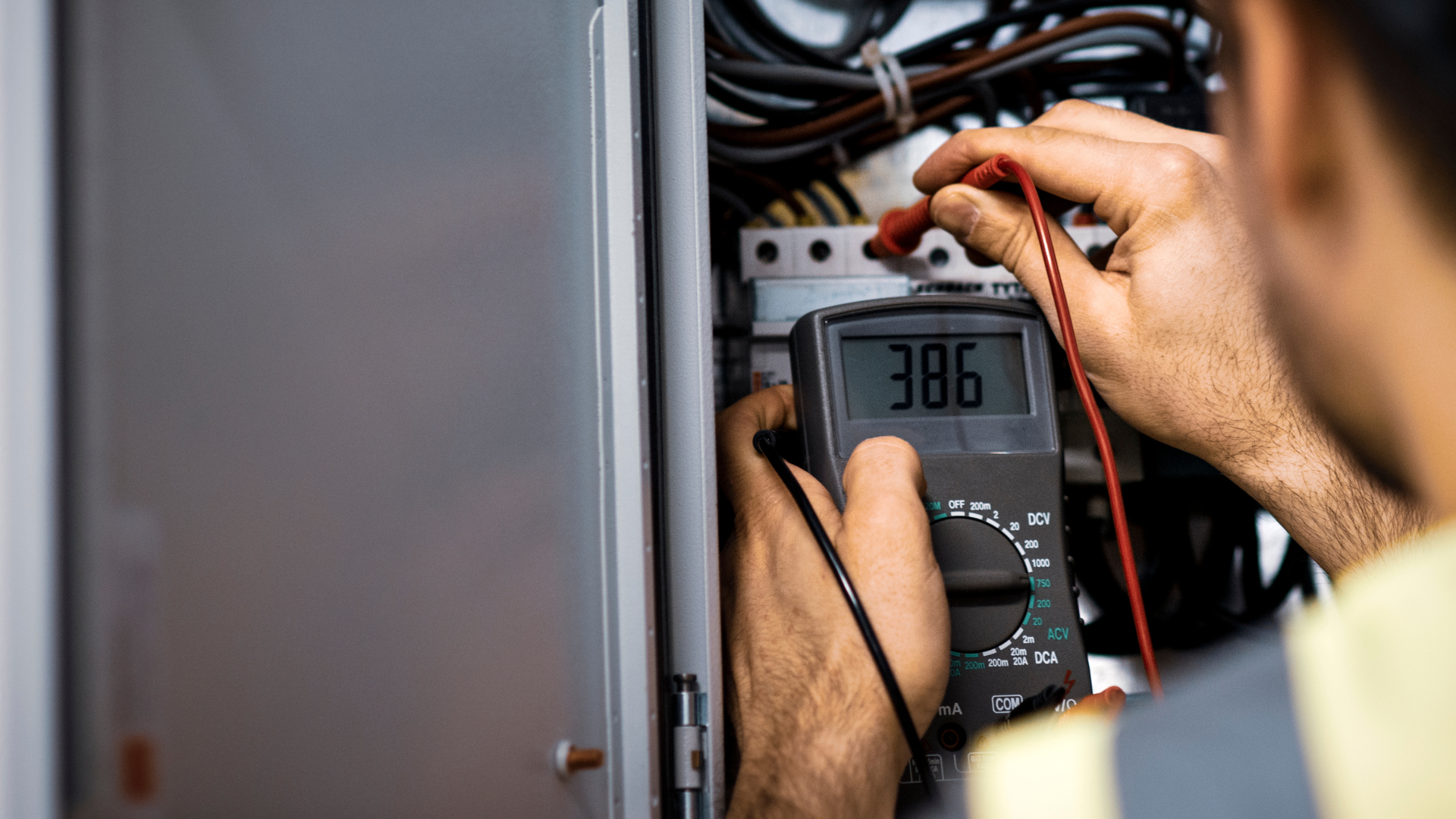
Abilene is home to a wide variety of properties, from newer builds in developing neighborhoods to older homes full of character and charm. While older homes offer unique appeal, they also come with challenges—particularly when it comes to electrical systems. Outdated wiring, limited capacity, and aging components can pose safety risks and create inconveniences for today’s homeowners. For buyers considering older homes in Abilene, understanding the most common electrical issues is key to making informed decisions and ensuring a safe living environment.
Outdated Wiring Systems
One of the biggest issues found in older Abilene homes is outdated wiring. Many houses built decades ago still rely on knob-and-tube or aluminum wiring. While these systems were acceptable at the time, they are no longer considered safe by modern standards. Aluminum wiring, for example, can overheat and create fire hazards, while knob-and-tube systems lack grounding protection. During a home inspection, professionals look for these outdated systems and recommend upgrades to modern copper wiring for improved safety and efficiency.
Insufficient Electrical Capacity
Homes built in the mid-20th century were not designed to handle the electrical demands of modern life. With today’s reliance on appliances, computers, and home entertainment systems, the original wiring and panels in older homes may be inadequate. In Abilene, inspectors often find homes with electrical panels that provide only 60 to 100 amps, compared to the 200-amp panels common in new construction. This insufficient capacity can cause breakers to trip frequently and may prevent homeowners from safely using multiple appliances at once. Upgrading panels is often necessary to meet modern needs.
Overloaded Circuits
Overloaded circuits are another common issue in older Abilene homes. Homeowners sometimes add additional outlets or appliances to circuits that were never intended to handle so much power. This creates strain on the system, increasing the risk of overheating and electrical fires. Inspectors often find evidence of overloaded circuits in homes where multiple extension cords or power strips are being used as a workaround. Correcting this problem typically requires redistributing loads or upgrading the home’s electrical system to handle higher demand.
Lack of Ground Fault Circuit Interrupters (GFCIs)
Older homes often lack GFCI outlets, which are required by modern electrical codes in areas like kitchens, bathrooms, garages, and outdoor spaces. GFCIs are designed to prevent electrocution by shutting off power if they detect an imbalance in the electrical current. Without them, homeowners face increased safety risks, especially in moisture-prone areas. Inspectors in Abilene frequently recommend upgrading outlets to GFCI models to bring homes up to code and improve safety.
Faulty or Deteriorating Connections
Over time, electrical connections can loosen or deteriorate, especially in homes with outdated wiring. Loose connections may cause flickering lights, intermittent power, or sparks at outlets. In older Abilene homes, these problems are often signs of wear that needs professional attention. Left unaddressed, deteriorating connections can lead to electrical fires or damage to appliances. Inspections are crucial for identifying these hidden risks before they become dangerous.
Lack of Proper Grounding
Grounding is an essential safety feature that directs stray electricity safely into the earth, reducing the risk of shocks or fires. Many older Abilene homes were built before grounding became standard practice, meaning their outlets may only have two prongs instead of the safer three-prong design. Without grounding, appliances and electronics are more vulnerable to damage from power surges. Inspectors often recommend rewiring or adding proper grounding systems to older homes to improve both safety and functionality.
DIY Electrical Work
Another issue inspectors frequently find in older homes is unpermitted or DIY electrical work. Over the years, homeowners may have attempted to make updates or repairs without hiring licensed electricians. While these fixes might seem to work temporarily, they often don’t meet safety codes and can create hidden hazards. In Abilene, inspectors carefully evaluate older homes for signs of improper wiring, unsafe junctions, or mismatched components that need correction.
Conclusion
Older homes in Abilene bring charm, character, and history, but they also carry the risk of outdated electrical systems. Common issues like insufficient capacity, overloaded circuits, lack of grounding, and deteriorating wiring can compromise both safety and convenience. For buyers and current homeowners, professional inspections are essential for identifying these risks and planning necessary upgrades. By addressing electrical problems proactively, Abilene homeowners can enjoy the benefits of their older homes while ensuring safety and reliability for years to come.
Recent Blogs

The Inspector’s Checklist: Preparing Your Abilene Home for Sale
Sep. 12, 2025
How Abilene Home Inspections Protect Buyers from Hidden Costs
Sep. 05, 2025
Roof Red Flags: What Abilene Inspectors Look for Before You Buy
Aug. 29, 2025
Why First-Time Buyers in Abilene Should Always Schedule an Inspection
Aug. 22, 2025