(325) 829-0146
Spring Forward: A Comprehensive Home Inspection Checklist Before Selling
Return To Blogs
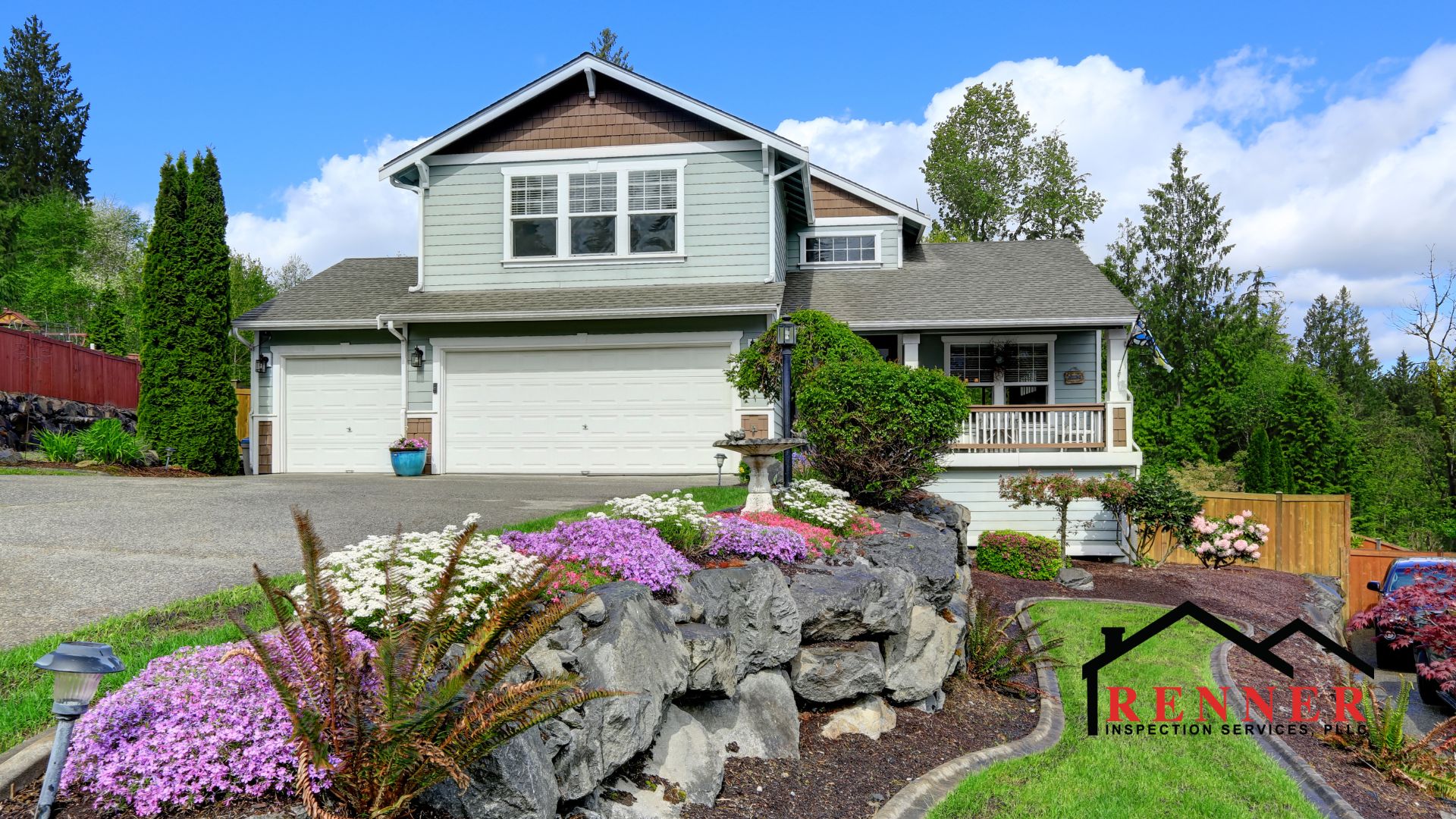
Preparing your home for the market in the spring season is crucial to attract buyers and maximize your property’s value. Spring is one of the most active real estate seasons, with buyers eager to find their dream homes. To make your home stand out, a pre-sale home inspection is essential. This ensures that your property is in top-notch condition and avoids surprises during the negotiation process.
Here’s a detailed checklist to guide you through the process and give you the best chance of a successful sale.
1. Inspect the HVAC System
Your heating, ventilation, and air conditioning (HVAC) system plays a critical role in maintaining a comfortable indoor environment. Ensure that your HVAC is functioning efficiently by:
- Scheduling professional servicing to clean ducts, replace filters, and check for any issues.
- Ensuring the system is free of unusual noises or performance dips.
A well-maintained HVAC system reassures buyers that they won’t face expensive repairs. According to the Environmental Protection Agency (EPA), routine HVAC maintenance can improve system efficiency by 15%. (Source: EPA.gov)
2. Evaluate the Roof and Gutters
Winter weather can take a toll on your roof and gutters, leading to leaks or structural damage.
- Check for missing shingles, cracked tiles, or sagging areas.
- Clear gutters of debris and ensure downspouts direct water away from the foundation.
According to the National Roofing Contractors Association, roof repairs yield an ROI of approximately 72% during a home sale. (Source: NRCA.net)
3. Inspect Electrical Systems
Electrical issues are a red flag for buyers and can derail a sale. Pay attention to:
- Outdated wiring that may not meet modern safety codes.
- Faulty outlets or switches.
- Circuit breaker panels that require upgrades.
The National Fire Protection Association reports that electrical malfunctions cause over 45,000 home fires annually, emphasizing the importance of addressing these issues. (Source: NFPA.org)
4. Check Plumbing Systems
Leaky faucets, clogged drains, or water stains can signal larger plumbing problems.
- Inspect pipes for visible corrosion or leaks.
- Test water pressure in all fixtures.
- Ensure water heaters are in good working order and free of sediment buildup.
Addressing minor plumbing repairs can increase buyer confidence and speed up the sale process.
5. Assess the Foundation and Basement
Structural stability is a critical factor in any home inspection.
- Look for cracks in walls, ceilings, or the foundation itself.
- Inspect the basement for signs of moisture or mildew, which could indicate water seepage.
According to a report by HomeAdvisor, foundation repairs can range from $500 to $10,000, depending on the severity. Preventative maintenance can save significant costs. (Source: HomeAdvisor.com)
6. Ensure Proper Insulation and Ventilation
Energy efficiency is a priority for many buyers.
- Check attic insulation and replace it if it shows signs of wear.
- Test vents in kitchens, bathrooms, and laundry areas to ensure they work correctly.
The U.S. Department of Energy suggests that proper insulation can reduce heating and cooling costs by up to 30%. (Source: Energy.gov)
7. Focus on Curb Appeal
First impressions matter. The exterior of your home is the first thing buyers notice.
- Power wash driveways, walkways, and siding.
- Trim overgrown trees and shrubs.
- Plant seasonal flowers to enhance visual appeal.
According to the National Association of Realtors, landscaping upgrades can increase a property’s value by up to 10%. (Source: NAR.realtor)
8. Test Safety Features
Safety is a top priority for families considering your home.
- Test smoke detectors and carbon monoxide alarms.
- Ensure stair railings are secure and meet safety standards.
- Check for trip hazards, such as uneven flooring or loose rugs.
The Consumer Product Safety Commission emphasizes the importance of these measures, as falls are the leading cause of home injuries. (Source: CPSC.gov)
9. Conduct a Pre-Listing Inspection
Hiring a professional home inspector is one of the best investments you can make when preparing your home for sale.
- A pre-listing inspection identifies issues before buyers discover them.
- It gives you time to address repairs and strengthens your negotiating position.
According to the American Society of Home Inspectors, homes with pre-inspections sell faster and often at higher prices. (Source: ASHI.org)
10. Document All Repairs and Maintenance
Transparency builds trust with potential buyers. Keep a record of all maintenance and repairs performed, including:
- Contractor invoices.
- Inspection reports.
- Details of upgrades or replacements.
Sharing this documentation can reassure buyers that the home has been well cared for and reduce their concerns.
11. Prepare for Final Touches
After completing the inspection checklist, focus on staging and cleaning your home.
- Declutter to create an open, inviting space.
- Repaint walls in neutral colors to appeal to a broader audience.
- Deep clean every room, paying special attention to kitchens and bathrooms.
According to Zillow, homes staged and cleaned before listing sell 20% faster than those left as-is. (Source: Zillow.com)
Preparing your home for the spring market doesn’t have to be overwhelming. By following this comprehensive checklist, you can address potential issues early, impress buyers, and increase the likelihood of a smooth, profitable sale.
Recent Blogs
The Inspector’s Checklist: Preparing Your Abilene Home for Sale
Sep. 12, 2025
How Abilene Home Inspections Protect Buyers from Hidden Costs
Sep. 05, 2025
Roof Red Flags: What Abilene Inspectors Look for Before You Buy
Aug. 29, 2025
Why First-Time Buyers in Abilene Should Always Schedule an Inspection
Aug. 22, 2025